The Guest Nose Test: A Zone-by-Zone Rescue Plan for the Room Your Family Secretly Avoids
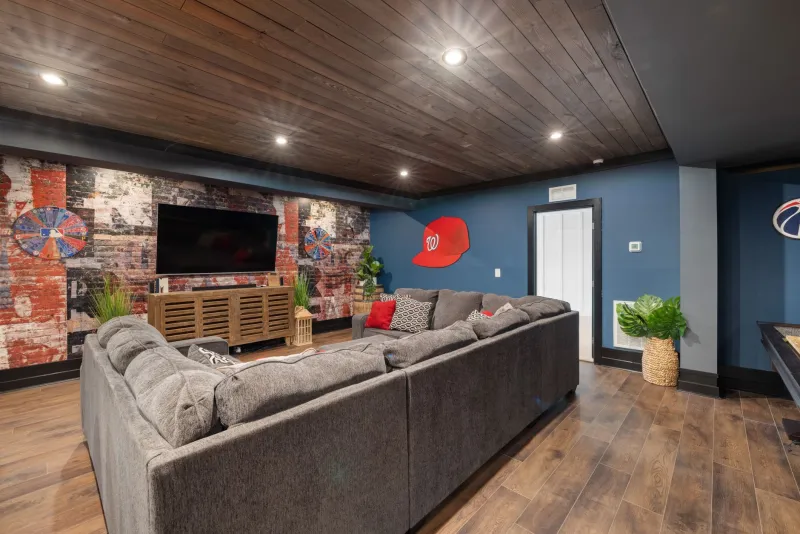
Every house has one. The room where the door stays closed, the air freshener on a stick does more decorative than deodorizing, and family members find creative excuses not to linger. Call it a man cave, a garage workshop, a she shed, a basement hangout — the name changes, but the smell situation is universal.
Here's the uncomfortable truth: you've gone nose blind. You've spent hundreds of hours in that room, and your brain quietly filed the smell under "background." Your guests haven't. And unlike the rest of your house, this room has accumulated odor sources that most people never think to clean.
Let's do a zone-by-zone walkthrough. Bring a friend if you can — the guest nose test works best with an actual guest.
Zone 1: The Seating Situation
That couch. The one from the Craigslist listing, or the hand-me-down from your uncle's lake house, or the futon that survived four apartments before landing here. Upholstery is basically a sponge with cushions. Decades (or even months) of sweat, spilled beer, takeout vapors, and dog fur live in that foam.
The test: Press your face into the cushion and inhale. If your friend recoils when you offer them a seat, that's data.
The fix: Vacuum the cushions and crevices thoroughly, then treat with an enzymatic odor eliminator — not a masking spray. Enzymes actually break down the organic compounds causing the smell; sprays just perfume the problem for a week. For upholstery you can't throw in the wash, a fabric-safe odor spray used generously and left to dry works wonders. If the cushion covers zip off, wash them with a cup of white vinegar added to the cycle.
Zone 2: The Snack Archaeology Site
Somewhere in this room, there is food that expired during a previous presidential administration. Under the recliner. Behind the mini fridge. In that drawer that holds "just batteries" but definitely also holds a fossilized bag of beef jerky.
The test: Empty the snack stash completely. Anything without a clear expiration date gets tossed. Then sniff the drawer, the mini fridge interior, and the floor beneath the couch.
The fix: Wipe the mini fridge with baking soda and water, then leave an open box of baking soda inside it. The fridge is the repeat offender here — it gets opened, warm air rushes in, and old food smells get baked into the plastic. A small odor absorber puck designed for fridges beats a soda box if you want a set-it-and-forget-it solution.
Zone 3: The Workshop Corner
If this room doubles as a workshop, you've got a different odor profile: solder flux, paint thinner, machine oil, sawdust, and that vaguely chemical smell that clings to everything you've ever fixed.
The test: Sniff your own hands after ten minutes in the room. If the smell transfers to your skin, the air itself is carrying volatile compounds from solvents and adhesives.
The fix: Ventilation first — a box fan pointed out the window during and after projects does more than any product. For lingering chemical odors, you need activated carbon, not fragrance. Carbon actually adsorbs VOCs and chemical fumes; plug-in fresheners just layer pine over formaldehyde. A carbon-based air purifier or a bulk activated charcoal bag hung near the workbench handles this quietly and continuously.
Zone 4: The Shoe and Gear Pile
Every sanctuary room has a pile. Cleats, hunting boots, gym shoes, the winter pair that lives by the door down here. Footwear odor is bacterial, which means it multiplies and it spreads to whatever it touches — including the carpet it sits on.
The test: Pick up each pair and sniff inside. Be brave.
The fix: Pull the insoles out and treat them separately. A shoe deodorizer spray with antibacterial properties kills the source, and silica-based odor pouches tucked inside overnight absorb moisture so bacteria can't regroup. For the carpet underneath, a baking soda treatment left for a few hours before vacuuming resets the zone.
Zone 5: The Air Itself
Basements and garages have a structural disadvantage: they're below grade or attached to concrete, which means moisture. That faint musty edge underlying everything? Probably humidity meeting cool surfaces.
The fix: A small dehumidifier is the single best investment for a below-grade hangout. Keep it around 45-50% humidity and half your mustiness problem disappears before you've sprayed a thing. Pair it with a passive odor absorber in the corners farthest from airflow.
The Guest Nose Test Checklist
Run this before your next watch party or poker night:
- The doorway sniff: Stand outside the closed door for two minutes, then walk in. First impressions are the honest ones.
- The sit test: Have a guest sit in each seat and report back, gently.
- The fridge check: Open the mini fridge and count to five.
- The overnight test: Close the room for 48 hours, then enter cold. Whatever hits you on re-entry is what every guest smells.
- The fabric test: Press your nose into curtains, cushions, and any throw blanket older than the room itself.
Pairing Products to Problems
Quick cheat sheet before you shop:
- Old upholstery and fabric funk: enzymatic sprays
- Fridge and snack odors: baking soda or absorber pucks
- Chemical and workshop fumes: activated carbon
- Shoes and gear piles: antibacterial sprays plus moisture-absorbing pouches
- General mustiness: dehumidifier first, everything else second
The man cave earned its reputation honestly. But it doesn't have to keep it. Two hours of zone-by-zone work, the right products in the right places, and the room everyone avoids becomes the room everyone fights over. Crush the funk. Keep the fresh. Then get back to the game.