Closet Hibernation Is Over: Why Your Winter Gear Wakes Up Funky (And How to Fix It Before the First Frost)
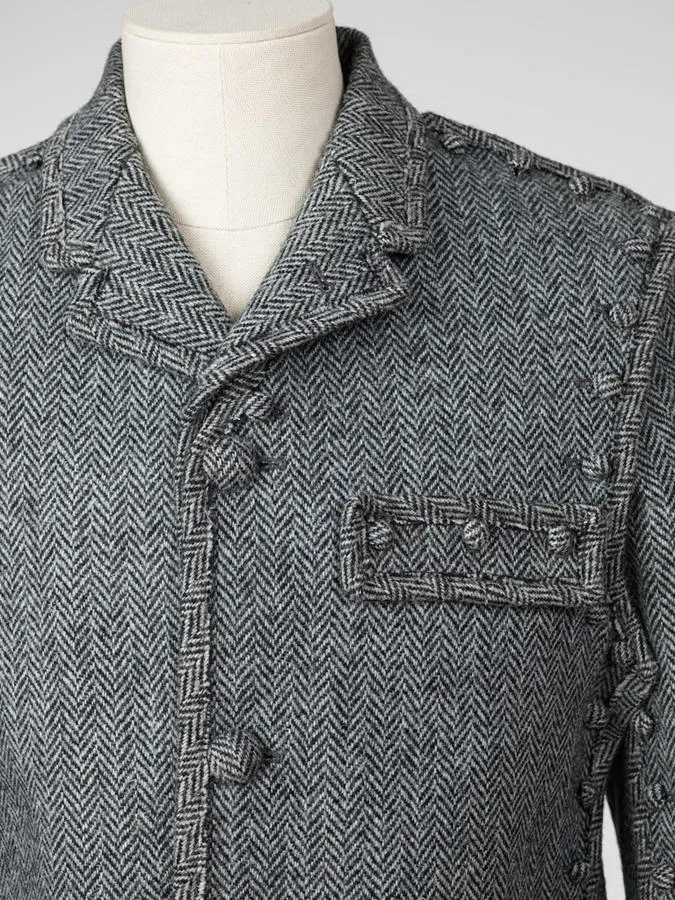
Photo: Staff photographer, Rhode Island School of Design Museum of Art, CC0, via Wikimedia Commons
There's a specific moment every fall that nobody talks about: you reach into the back of the closet, pull out your favorite wool coat, and get ambushed by a smell that can only be described as thrift store meets grandma's attic. It's not dirty, exactly. It's just... off.
If this happens to you every single year, congratulations — you're not imagining it, and you're not doing anything wrong. Your winter gear genuinely changes over the summer. Here's the science, plus a game plan for getting your cold-weather wardrobe smelling fresh before the first real cold snap.
Why Stored Coats Go Stale in the First Place
Clothing fibers are basically tiny sponges, and they never really clock out. Over months of wear, wool, cashmere, and synthetic fills absorb body oils, dead skin cells, and sweat residue deep into their structure. When you fold that coat away in April, all of that goes into hibernation with it.
Then the closet does its thing. Dark, poorly ventilated spaces trap humidity, and seasonal swings — think humid August air meeting a cool basement-adjacent closet — create condensation inside garment bags and storage bins. Add in the fact that most closets are full of other odor sources (shoes, laundry hampers, that one gym bag), and your coat spends six months marinating.
Wool is the biggest offender. Its scaly fiber structure holds onto moisture and oils more aggressively than cotton or polyester, which is why your wool pea coat comes out smelling like a vintage shop while your rain jacket is basically fine. Scarves and hats are sneaky too — they sit right against your face and hair all winter, absorbing everything.
And boots? The insides of winter boots are a perfect storm: moisture from snow, warmth from your feet, and zero airflow once they're stuffed in a closet corner.
The Pre-Winter Freshening Checklist
Before you wear anything, run through this quick audit:
1. The sniff test, up close. Smell the collar, the underarms, and the cuffs of each coat. These are the high-contact zones. If the smell is only in the collar, you may be able to spot-treat. If it's the whole garment, keep reading.
2. Air everything out — outside if possible. Hang coats on a porch, balcony, or near an open window for a full day. UV light and fresh airflow break down a surprising amount of surface odor. Just keep delicate wool out of direct sunlight to avoid fading.
3. Wash what you can wash. Check labels. Many fleeces, puffers, and synthetic layers are machine washable — use a gentle cycle and, for down items, toss in a few wool dryer balls to restore loft. Scarves and beanies usually survive a delicate wash too.
4. Refresh boots from the inside out. Pull the insoles if they're removable, sprinkle in baking soda overnight, and vacuum it out. If the interiors smell like a locker room, replace the insoles entirely — they're usually the real culprit.
5. Deal with the closet itself. Wipe down shelves, vacuum the floor, and leave the door open for a few hours. Putting fresh-smelling clothes into a musty closet is like washing your car in the rain.
When You Can't Machine Wash: What Actually Works on Delicates
Here's the problem: you can't exactly throw a wool coat or a leather-trimmed puffer in the wash without consequences. Dry cleaning works but gets expensive fast, especially across a whole wardrobe. So what actually removes odor from fabrics you can't launder?
Enzyme-based sprays are the workhorse here. They break down the organic compounds — body oils, sweat residue — that cause odor rather than just masking it. Lightly mist the interior lining and collar, then let the garment air dry completely. Don't soak it; damp wool is its own problem.
Activated charcoal or zeolite pouches are the patient option. Seal the coat in a large garment bag or storage bin with a pouch for 48–72 hours and the material will absorb trapped odors without any liquid touching the fabric. This is the safest method for cashmere, leather accents, and structured wool.
Odor-neutralizing fabric refreshers (not perfumed sprays — there's a difference) can handle light, surface-level staleness between deeper treatments. Look for products that neutralize rather than cover, because layering a fake lavender scent over closet funk just creates a new, weirder smell.
What to skip: heavily fragranced sprays, dryer sheets rubbed on fabric, and anything with oil-based perfume on wool. These coat the fibers and can actually trap odor underneath.
Stop the Funk Before It Starts Next Spring
The real fix happens when you store your gear, not when you retrieve it. Next April, do this:
- Clean everything before storing. Odors that go into storage come out amplified.
- Use breathable garment bags, not plastic. Plastic traps humidity; cotton or canvas lets fabric breathe.
- Add moisture absorbers to the closet — silica tubs or charcoal pouches work all season.
- Store boots stuffed with newspaper or cedar inserts to wick residual moisture.
- Crack the closet occasionally. A monthly airflow session does more than any product.
Your winter gear works hard for you from November through March. Give it five minutes of attention now, and you can skip the annual thrift-store surprise — and walk into that first cold morning smelling like nothing at all, which is exactly the goal.