Your Fridge Is Talking. Here's How to Listen Before It's Too Late.
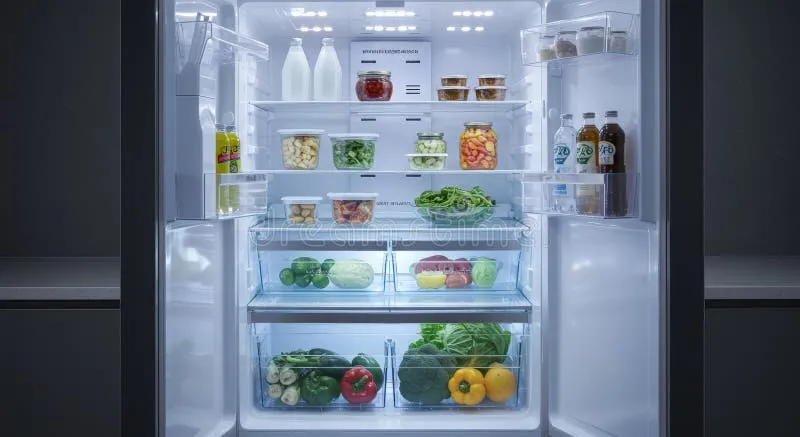
Photo: clean modern refrigerator interior with fresh food organized shelves, via thumbs.dreamstime.com
Open your fridge right now and take one honest sniff. Whatever you just smelled? That's not random. It's a running record of your food safety habits, your cleaning routine (or lack thereof), and possibly a container of takeout fried rice that's been living behind the orange juice since the second week of last month.
Think of your refrigerator like a flight recorder. Everything that happens in your kitchen gets logged in there — every forgotten leftover, every leaky package of chicken, every half-used jar of salsa pushed to the back. The question is whether you know how to read the data.
The Smell Decoder: What Each Odor Is Actually Telling You
Not all fridge smells are created equal. Some are harmless quirks of refrigeration. Others are your nose doing exactly what it evolved to do: keeping you out of trouble. Here's the breakdown.
The sour-milk whiff (minor league). A faint tangy note, especially near the door shelves, usually means a spill or an expired dairy product. No panic required. Find the source, toss it, wipe the shelf. Done.
The forgotten-leftover funk (mid-tier). That vaguely earthy, sour, hard-to-place smell that intensifies when you open the crisper drawer? You've got decomposing produce or a container of something that's gone well past its prime. This is where food waste and odor meet — roughly a third of the food in American fridges gets tossed, and a lot of it goes bad quietly in the back.
The ammonia or rotten-egg alarm (act now). This one's not a smell, it's a warning siren. Ammonia-like notes can indicate protein breakdown — meat or seafood that's been in the temperature danger zone too long. Rotten egg notes suggest sulfur-producing bacteria at work. If you get a whiff of either, don't play detective by tasting things. Toss anything questionable, then scrub.
The musty, damp-basement smell (structural issue). If your fridge interior smells like a damp towel that's been folded too long, the problem probably isn't the food. It's the drip pan, the drain hole, or the door gasket. More on those below.
Toss, Scrub, or Deep Clean: Your Decision Guide
Here's the quick version:
- Toss when the smell traces to identifiable food that's expired, slimy, moldy, or smells off raw. When in doubt on meat and seafood, throw it out — the cost of a replacement is nothing compared to a foodborne illness.
- Scrub when the smell persists after the offending item is gone. Warm water, dish soap, and a microfiber cloth over the affected shelf or drawer usually does it. For stubborn spots, a baking soda paste works without adding chemical fumes to your food zone.
- Deep clean when the smell survives all of the above, or when it's musty rather than food-related. That means everything comes out, shelves and drawers get washed, and the hidden zones get attention.
One myth worth crushing: baking soda left open in the door absorbs odors, sure, but it's a treatment, not a cure. If you're constantly replacing the box, you're masking a source you haven't found yet.
The Three Hotspots Nobody Cleans
Even people who wipe their fridge shelves regularly miss these.
1. The door gasket. Run your finger along the rubber seal of your fridge door. Find something? Most people do — crumbs, sticky residue, and sometimes a slimy film in the folds. That groove is a magnet for moisture and gunk, and it's often the source of that mysterious smell you can never locate. Wipe it with warm, soapy water and dry it thoroughly. Bonus: a clean gasket seals better, which means your fridge runs more efficiently.
2. The drip pan and drain hole. Under or behind nearly every fridge is a shallow pan catching condensation runoff, and a small drain hole inside the fridge that feeds it. Food particles and moisture travel down that drain, and the pan can become a stagnant little pond. Check your owner's manual for the location, pull the pan, wash it with hot soapy water, and flush the drain with a bit of warm water. This is the fix for most "my fridge smells musty and I don't know why" situations.
3. Under the crisper drawers. The drawers lift out, and underneath them is a shelf surface that collects the drippings of every leaky berry package and wilted lettuce you've ever owned. Because the drawers sit on top, most people never see it. Pop the drawers out, wash them, and wipe the floor of the fridge while you're in there.
The 15-Monthly Fridge Pit Stop
You don't need a full deep clean every week. You need a pit stop — quick, routine, and honest. Once a month, set a timer for 15 minutes and run this checklist:
- Sniff test first (1 minute). Open the door, then each drawer. Locate any odor before you start moving things around.
- The expiration sweep (5 minutes). Check dates on dairy, deli meat, condiments, and leftovers. Anything expired or older than four days in leftover-land goes. Tossing on a schedule feels way less wasteful than tossing a science experiment.
- The wipe-down (5 minutes). Spot-clean any visible spills or sticky spots. Pull the crisper drawers and wipe underneath. Quick swipe of the door gasket.
- The reset (4 minutes). Put everything back with airflow in mind — don't pack shelves solid, because cold air needs to circulate to keep food out of the danger zone. Crack a fresh box of baking soda or drop in an activated charcoal pouch if you like a belt-and-suspenders approach.
That's it. Fifteen minutes, once a month, and your fridge stops being a smell time capsule.
The Bottom Line
Your nose is the cheapest food safety inspector you'll ever hire. Every odor in your fridge is a message about something — a spill, a forgotten container, a hidden drip pan doing its worst work in the dark. Learn to read the signals, run the monthly pit stop, and the next time you crack that door, all you'll get is cold air and a clean slate. That's the OdorCrush way: find the source, crush the smell, keep the fresh.